







Search Results for: Litchi Orchid coffee
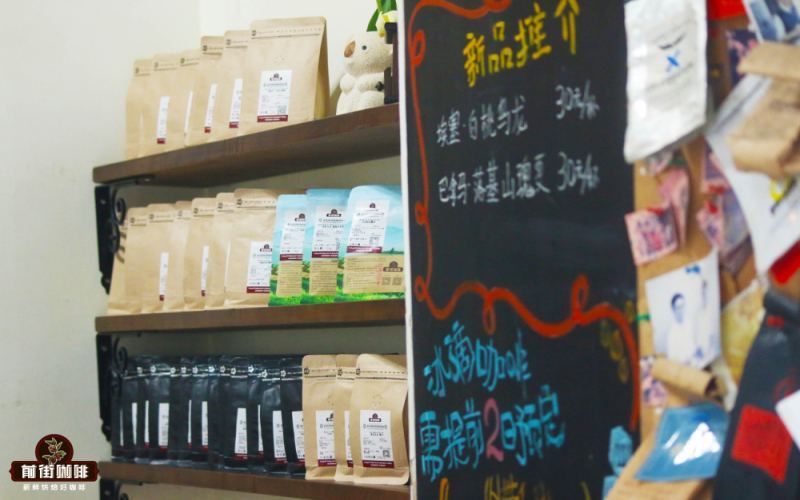
Honduras Mocha Estate Lychee Orchid Coffee Beans: Brandy Barrel-Fermented Flavor and Caturra-Catuai Variety Analysis
Front Street Coffee's Honduras Sherry coffee beans have earned widespread praise for their rich whisky aroma, but the country also produces another bean that stands out for its barrel-fermentation process—Front Street Litchi Orchid coffee beans. Originating from the Moka Estate in the Masaguara region, these beans undergo a delicate washing process followed by low-temperature fermentation in brandy oak barrels for thirty to forty days, allowing the green beans to fully absorb the aromas of liquor and oak. This article will systematically introduce the bean's regional background, the estate's story, the varietal characteristics of Caturra and Catuai, and include the roasting curve provided by Front Street's roaster, cupping performance, and V60 brewing parameters, helping you gain a comprehensive understanding of its flavor sources and brewing key points. [more…]
A Complete Guide to Honduran Coffee Origins: The Regional Secrets Behind the Rise of Sherry and Litchi Orchid
In recent years, a Honduran coffee bean called Sherry has quickly risen to fame in the market, bringing this Central American country into the view of more coffee enthusiasts. Honduras is now the world's seventh-largest coffee-producing country and one of the largest coffee producers in Central America, yet for a long time its single-origin coffee beans were rarely mentioned. This article will trace the history of coffee development in Honduras, explain in detail the terroir characteristics of six major producing regions including Copán, Montecillos, and Comayagua, and introduce two Honduran representatives on the Front Street Coffee bean list—Sherry and Lychee Orchid—including their barrel-fermentation process, flavor profiles, and brewing suggestions, to give you a comprehensive understanding of this rising coffee-producing country. [more…]
A Complete Analysis of Honduran Coffee Regions: Flavor Profiles of Six Major Areas and Brewing Tips for Litchi Orchid
Honduran coffee has performed impressively on the international stage in recent years. Unlike traditional producing countries such as Brazil and Colombia, it is a rising star in Central America. This article systematically reviews six major Honduran coffee regions—Copán, Opalaca, Montecillos, Comayagua, El Paraíso, and Agalta—introducing each one's geographical conditions, altitude ranges, common varieties, and cup flavors. It also features Front Street Coffee's recommended Lychee Orchid from the Marcala region, describing its layered notes of lychee, brandy, cream, and chocolate, and explaining how medium roasting balances acidity, sweetness, and bitterness. [more…]
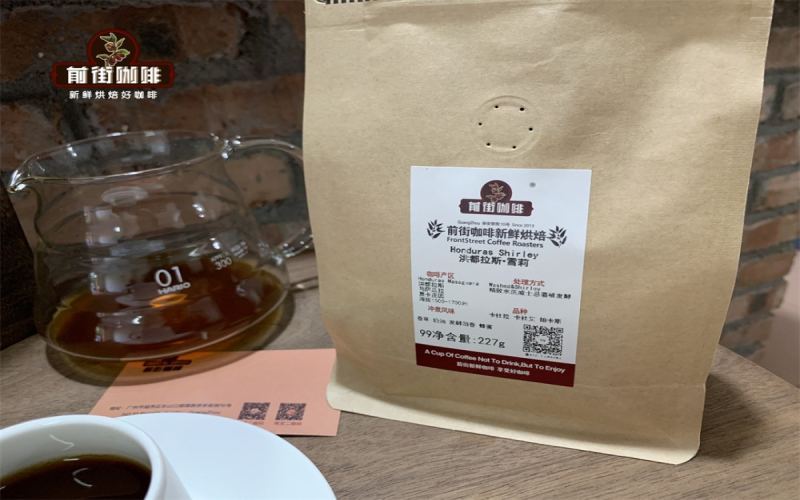
Flavor Analysis of Honduran Coffee Regions and Brewing Guide for Sweet Orange Estate Barrel-Aged Coffee
Honduras, as the largest coffee-producing country in Central America, has rapidly gained popularity in recent years thanks to its barrel-fermented Sherry and Litchi orchids coffees. This article will systematically review the terroir characteristics and flavor profiles of Honduras's six major coffee-producing regions, explain in detail the characteristics of major varieties such as Caturra, Catuai, and Pacas, and provide an in-depth introduction to the barrel-processing technique of Sweet Orange Estate (Mocha Estate). At the same time, Front Street Coffee will share the brewing parameters and flavor descriptions of two popular beans, Sherry and Litchi orchids, to give you a comprehensive understanding of the unique charm of this emerging specialty coffee-producing country. [more…]
Flavor Analysis of Honduran Specialty Coffee Beans: Litchi Orchid Rum Barrel Fermentation Process and Caturra Variety Characteristics
Honduras, as an important coffee-producing country in Central America, has secured a place in the global specialty coffee market thanks to its unique mountain climate and continuously improving processing techniques. In this issue, Front Street Coffee focuses on the Lychee Orchid coffee beans from the Masaguara Mocha Estate. These beans are processed using a refined washed method combined with low-temperature fermentation in brandy barrels, presenting soft lychee sweetness, honey notes, and the complex aroma of brandy and oak barrels. The article will systematically introduce the distribution of coffee-producing regions in Honduras, variety characteristics, and the principles of barrel fermentation, and through a comparison of two roasting curves by Front Street roasters, deeply analyze the specific effects of different development times on coffee flavor performance, providing coffee enthusiasts with practical brewing and tasting references. [more…]
A Complete Guide to Honduran Coffee Regions: Sweet Orange Estate Catuai Variety and Pour-Over Techniques Explained
Honduras is the largest coffee-producing country in Central America, and its six major regions each have their own distinctive terroir. This article will guide you through Honduras coffee's geographical environment, the distribution of its main producing regions, the characteristics of varieties such as Caturra and Catuai, and processing methods including washed and barrel-aged fermentation. At the same time, two popular beans from Front Street Coffee, Sherry and Litchi Orchid, also originate from this country. The article will also share specific pour-over parameters and brewing suggestions to help you better savor the wine-like aroma and fruity notes of Honduran coffee. [more…]
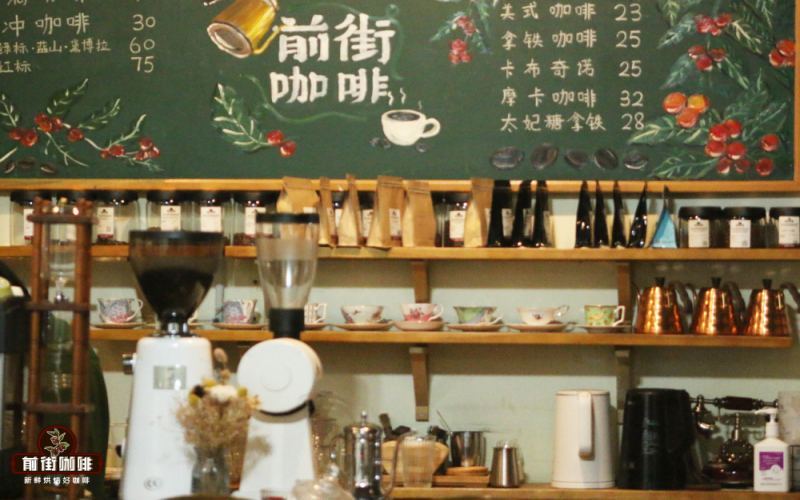
A Complete Guide to Honduran Specialty Coffee: Terroir, Variety Characteristics, and Roasting Guide for Sherry, Lychee, and Orchid Flavors
Honduras, as an important coffee-producing country in Central America, nurtures distinctive specialty coffees thanks to its complex terrain and diverse climate conditions. From High Grown Coffee to Strictly High Grown Coffee, from the classic Bourbon and Caturra varieties to the whisky-sherry barrel fermentation process that has gained great popularity in recent years, Honduran coffee displays rich layers of flavor. In this article, Front Street Coffee will systematically sort out the core knowledge of Honduran coffee, from producing-region geography, variety classification, green bean morphology, and roasting curve design, to the cupping and brewing performance of two distinctive beans, Sherry and Lychee Orchid, helping coffee lovers gain a deeper understanding of the unique charm of this producing region and find the cup that suits their own taste. [more…]

The Flavor Code of Honduran Specialty Coffee Origins: A Complete Analysis of Sherry and Lychee Barrel-Fermented Beans
Driven by the third wave of coffee, barrel fermentation processing has become a highly anticipated innovative craft in recent years. Front Street Coffee's Honduras Sherry and Lychee Orchid barrel-fermented beans each impart unique wine aromas and layers to the coffee through whiskey barrels and brandy barrels, respectively. This article begins with the geography and varieties of Honduras's six major producing regions, outlines the development of its coffee industry and grading system, focuses on analyzing the principles of barrel fermentation and flavor differences, and provides a detailed record of the roasting curve comparison of Front Street's two beans, cupping performance, and flavor presentation in three brewing methods—V60, KONO, and Japanese-style iced pour-over—offering objective data references for coffee enthusiasts. [more…]
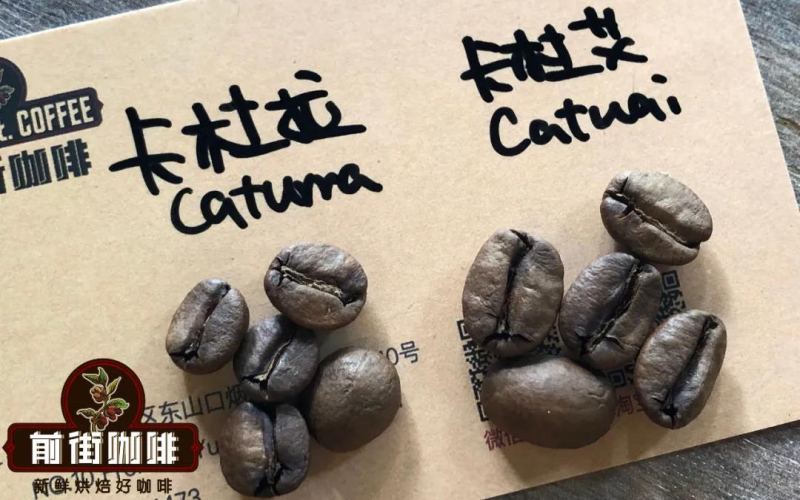
Do Wine-Flavored Coffee Beans Contain Alcohol? Honduras Lychee Orchid: Flavor Analysis of Brandy Barrel-Fermented Washed Beans
In recent years, coffee processing methods have continuously evolved, from early anaerobic fermentation to red wine processing, and now to oak barrel fermentation, with endless innovative techniques making coffee flavors increasingly diverse. The Honduras Litchi Orchid coffee beans launched by Front Street Coffee are produced using a combination of fine washing and brandy barrel fermentation, originating from the Moca Estate in the Marcala region, at an altitude of 1,500-1,700 meters, with varieties of Caturra and Catuai. This bean shares similarities with the same brand's Sherry coffee beans, with the difference being that Sherry uses whiskey barrels, while Litchi Orchid selects brandy oak barrels. The fermented beans carry a soft lychee and honey sweetness, while integrating brandy notes and oak aroma. This article will provide a detailed introduction to this bean's processing method, flavor performance, and answer the question of whether wine-flavored coffee beans contain alcohol. [more…]
Honduras Lychee Orchid Coffee Review: Analysis of Brandy Barrel Fermentation Process and Lychee, Melon, Chocolate Flavor Notes
Honduras has risen rapidly in the Central American coffee landscape in recent years, gaining recognition from more and more coffee-consuming countries thanks to continuous upgrades in processing techniques. Front Street Coffee's Litchi Orchid is one such highly distinctive bean—it uses a low-temperature fermentation process in brandy oak barrels, bringing out a complex flavor profile of lychee, brandy, melon, honey, and chocolate from the Typica variety. Starting from the background of Honduras's production regions, this article will break down Litchi Orchid's processing method, flavor performance, and brewing parameters in detail, giving you a comprehensive understanding of the appeal of this wine-scented specialty coffee. [more…]
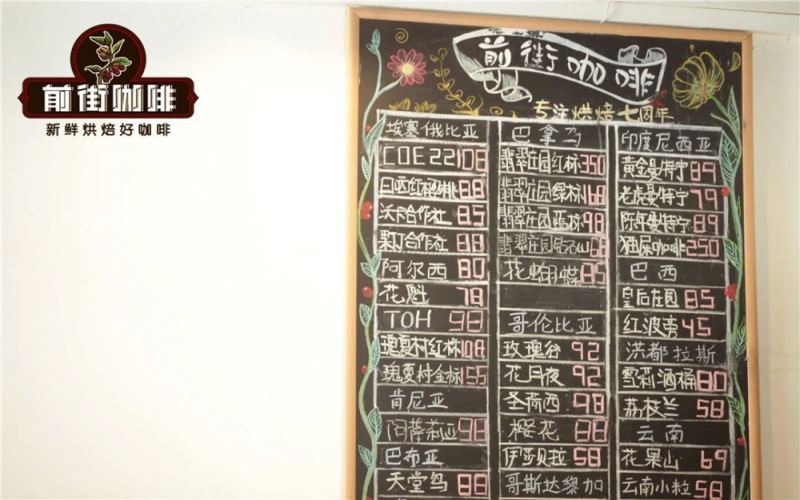
Honduran Coffee Bean Varieties, Characteristics, and Industry Story: An Analysis of Six Major Growing Regions and Barrel-Fermented Flavors
Honduras is a mountainous country in Central America, located within the coffee-growing belt, and since 2011 its coffee production has leapt to first place in Central America. This article reviews the cultivation history of Honduran coffee, the terroir characteristics and main varieties of its six major producing regions, and focuses on the characteristics, processing flow, and brewing suggestions for Front Street Coffee's Honduran Sherry and Litchi Orchid, two barrel-fermented beans. Whether you want to understand the context of Honduras's coffee industry or want to grasp the flavor differences brought by whiskey-barrel and brandy-barrel fermentation, this article can provide clear information. [more…]
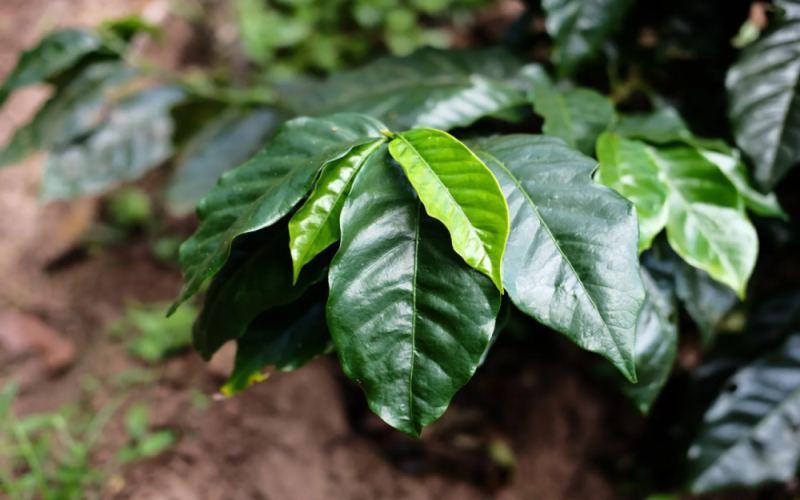
Honduras Lychee Orchid Coffee Beans: Analysis of Brandy Barrel Fermentation Process and Production Region Background
Honduras is an important coffee-producing country in Central America, and the Masaguara sub-region within its Montecillos producing area is known for high altitude and outstanding flavor. This article will guide you through the development history of Honduran coffee and the distribution of its main producing regions, with a focus on the Litchi Orchid coffee beans launched by Front Street Coffee—these beans are fermented at low temperature in brandy oak barrels, presenting a unique vinous flavor. From the history of coffee being introduced to Honduras, to the origin and evolution of barrel fermentation technology, and then to the specific processing flow of Litchi Orchid, the article will unfold step by step, providing coffee lovers with a guide to origin and craft that is both informative and practical. [more…]
Honduran Specialty Hand-Brewed Coffee Beans Guide: Analyzing the Barrel-Fermented Flavors of Sherry and Lychee Orchid
In recent years, Honduras has secured a place for itself in the specialty coffee landscape of Central America thanks to its unique barrel-fermentation processing methods. Among these, two beans in particular stand out: Sherry and Litchi Orchid. The former, fermented in whisky barrels, delivers layers reminiscent of vanilla cream and liqueur-filled chocolate, while the latter, shaped by brandy barrels, develops an elegant profile of lychee and grape. This article systematically lays out the complete picture of Front Street Coffee's Honduras Sherry coffee—from growing region background, estate information, and varietal characteristics to processing techniques, roasting curves, and brewing parameters—and compares the flavor differences among different barrel-processing methods from the same estate, offering pour-over enthusiasts a detailed reference. [more…]
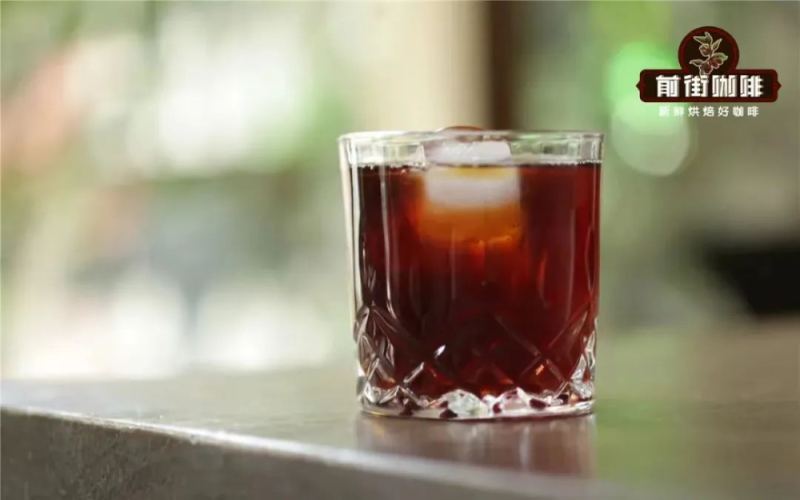
The Origin and History of Cold Brew Coffee | Cold Brew Coffee Extraction Principles, Advantages, and the Best Way to Drink It: Which Single-Origin Coffee Beans Are Suitable for Cold Brew?
As the weather gets hotter, Front Street Coffee's cold brew coffee is selling well. In fact, cold brew coffee is not as complicated as everyone believes. Today, Front Street Coffee will share the making of cold brew coffee. [more…]
Honduras Lychee Orchid Flavor Analysis: Brandy Barrel Fermentation Process and Brewing Parameter Reference
In recent years, the third wave of coffee has given rise to many new-style post-processing techniques, among which anaerobic fermentation and barrel fermentation are particularly eye-catching. As an important coffee-producing country in Central America, Honduras quickly rose to fame in the specialty coffee circle thanks to barrel-fermented beans such as Sherry and Litchi Orchid. This article organizes the underlying principles of barrel fermentation, the background of Honduran producing regions and varieties, the grading system, and Front Street Coffee's practical recommendations for roasting and brewing, to help coffee lovers understand the flavor sources and extraction approaches of these specially processed beans. [more…]
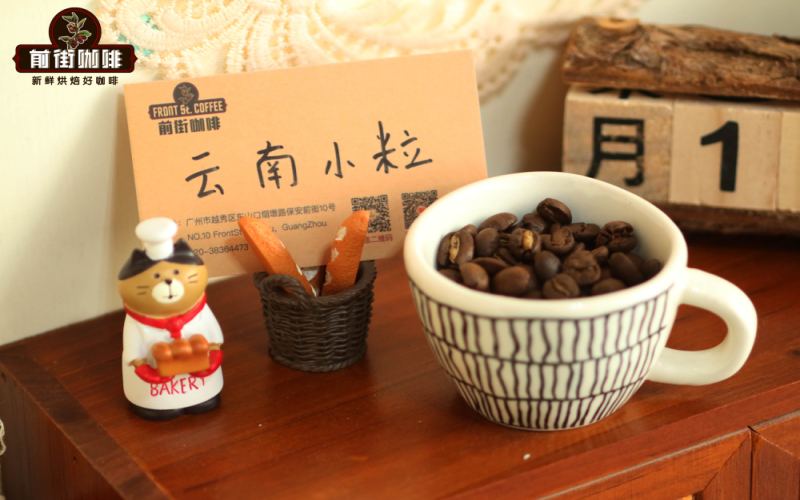
Specialty Drip Coffee Bag Recommendations | Can You Make a Latte by Brewing Drip Coffee Directly with Milk? How Does Drip Black Coffee Taste with Milk?
Drip bag coffee, as a convenient medium for easily obtaining a delicious cup of black coffee, is extremely popular in East Asia. In the morning, when time is tight, using drip bag coffee can save a lot of time that would otherwise be spent making coffee (pour-over coffee). The drip bag coffee sold in general coffee shops is usually made from freshly roasted coffee beans that are ground and then packed tightly. [more…]

Can Drip Bag Coffee Be Brewed with Milk? A Detailed Look at the Flavor Changes and Brewing Points of Adding Milk to Drip Bag Coffee
Drip bag coffee is popular in East Asia for its convenience, but many coffee lovers wonder: can you brew drip bag coffee directly with milk? And how does the taste change after adding milk? This article traces the invention history of drip bag coffee, reviews the drip bag series launched by Front Street Coffee, including Natural Red Cherry, Brazil Red Fruit, and Honduras Sherry, along with the origin stories behind them, and explains the standard brewing process and blooming parameters in detail. Regarding the question of adding milk, the article points out that the key lies in the type of coffee—fruit-toned Yirgacheffe performs poorly after adding milk, while bitter-leaning flavors like Brazil become smoother and more fragrant when combined with milk. It also explains why it is not advisable to extract directly with hot milk, and how to proceed if you want to try milk coffee. [more…]
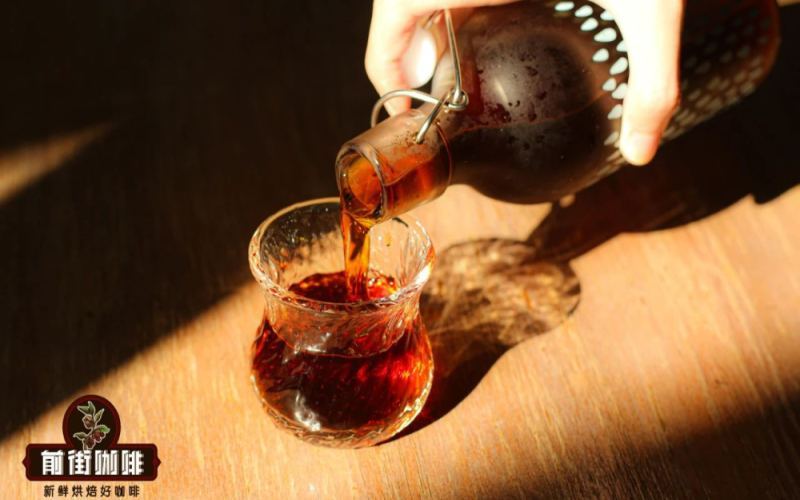
An Analysis of the Differences Between Ice Drip and Cold Brew Coffee: From Historical Origins and Brewing Methods to Coffee-to-Water Ratios and Flavor Profiles
Ice drip coffee and cold brew coffee both belong to the category of cold-brewed coffee, yet they differ markedly in historical background, extraction equipment, operating procedures, and final flavor. Ice drip coffee originated from a local Indonesian brewing method and was improved by Kyoto's Hanabusa Coffee before spreading worldwide; it uses an ice drip tower for layer-by-layer filtration, taking 6 to 8 hours. Cold brew coffee, by contrast, is made by steeping in a container and letting it rest at low temperature for 12 to 24 hours. In this article, Front Street Coffee documents the ice drip process in detail, with a coffee-to-water ratio of 1:10, and shares several blending bean options, while also comparing the flavor differences between ice drip and cold brew made with Huakui beans. The article also discusses the controversy over the caffeine content of ice drip coffee, helping coffee enthusiasts gain a comprehensive understanding of the respective characteristics of these two cold-brewed coffees. [more…]
Where Do the Flavors of Honduras Lychee Orchid Coffee Come From? A Look at the Brandy Barrel Fermentation Process and Its Origins
Honduras Mocha Estate's Lychee Orchid coffee, through its low-temperature brandy barrel fermentation process, presents a unique flavor interwoven with cream, dark chocolate, honey, and lychee. How exactly is this bean recommended by Front Street Coffee made? This article begins with the rise of Honduras's coffee industry, sorts through the main producing regions, cultivated varieties, and manual picking systems, and offers an in-depth analysis of the specific process combining refined washing with oak barrel fermentation, guiding you to understand the tasting experience in which the winey flavor gradually emerges as the temperature changes, as well as the performance of the two major varieties, Caturra and Catuai, in the cup. [more…]
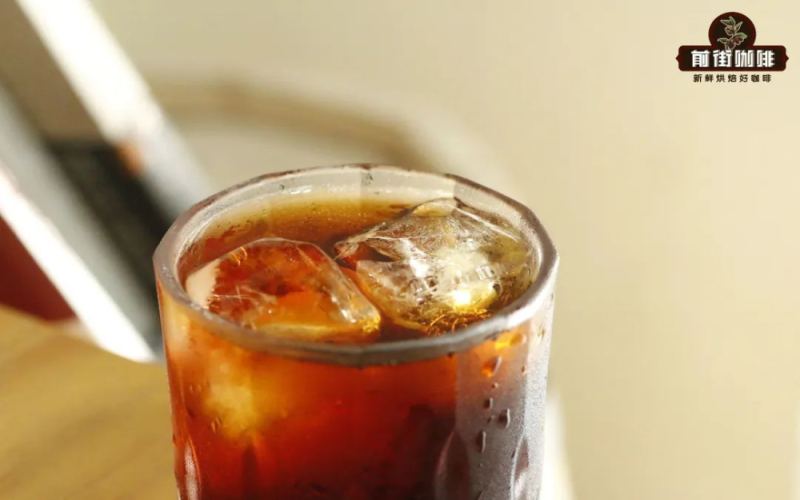
Cold Brew Coffee Beginner's Guide: From Extraction Principles to Recipe Analysis for Yirgacheffe, Mandheling, and Kenya Beans
Cold brew coffee, through its low-temperature slow extraction, presents a flavor profile completely different from pour-over, and is deeply loved by coffee enthusiasts. Based on the practical experience of Front Street Coffee, this article systematically reviews the origin of cold brew coffee, the extraction principles, suitable bean selection, and key operational points, and shares a variety of cold brew recipes centered on beans such as Yirgacheffe, Kenya, and Mandheling, covering dark berry type, refreshing and clean type, sweet and delicious type, as well as blending ideas. The article also explains in detail the production steps, fermentation duration, and drinking suggestions, helping you make a cup of cold brew coffee with full aroma and smooth mouthfeel at home. [more…]